How to Choose a Real Estate Sponsor Company for a Development Project
Selecting the right development partner can influence a project from the initial land evaluation through construction and final delivery. When we evaluate a real estate sponsor company, we believe the most important consideration is whether the team has practical experience managing the complexities that come with development. Land use, entitlements, infrastructure, financing, construction, and market conditions all have to work together. A sponsor with experience across these areas can help establish a realistic development strategy and identify challenges before they become costly obstacles.
Examine the Company’s Development Experience
We recommend starting with a real estate sponsor company’s completed and active development portfolio. Looking at specific projects provides a better understanding of the team’s capabilities than simply reviewing years in business. At Price Land Development Group, we have helped develop nearly 834 acres of New Mexico land and have experience with residential communities and residential and mixed-use master plans. Our portfolio includes projects in Albuquerque, Rio Rancho, and Santa Fe.
Evaluate Land Acquisition and Due Diligence
Before a property can become a successful development, we need to understand what the land can realistically support. A real estate sponsor company should evaluate factors such as zoning, access, utilities, potential density, market conditions, entitlement requirements, and infrastructure needs. We approach land assessment and acquisition as interconnected parts of the development process. This allows us to identify opportunities while also recognizing constraints that could affect a project’s schedule, costs, or ultimate use.
Look for Entitlement and Infrastructure Experience
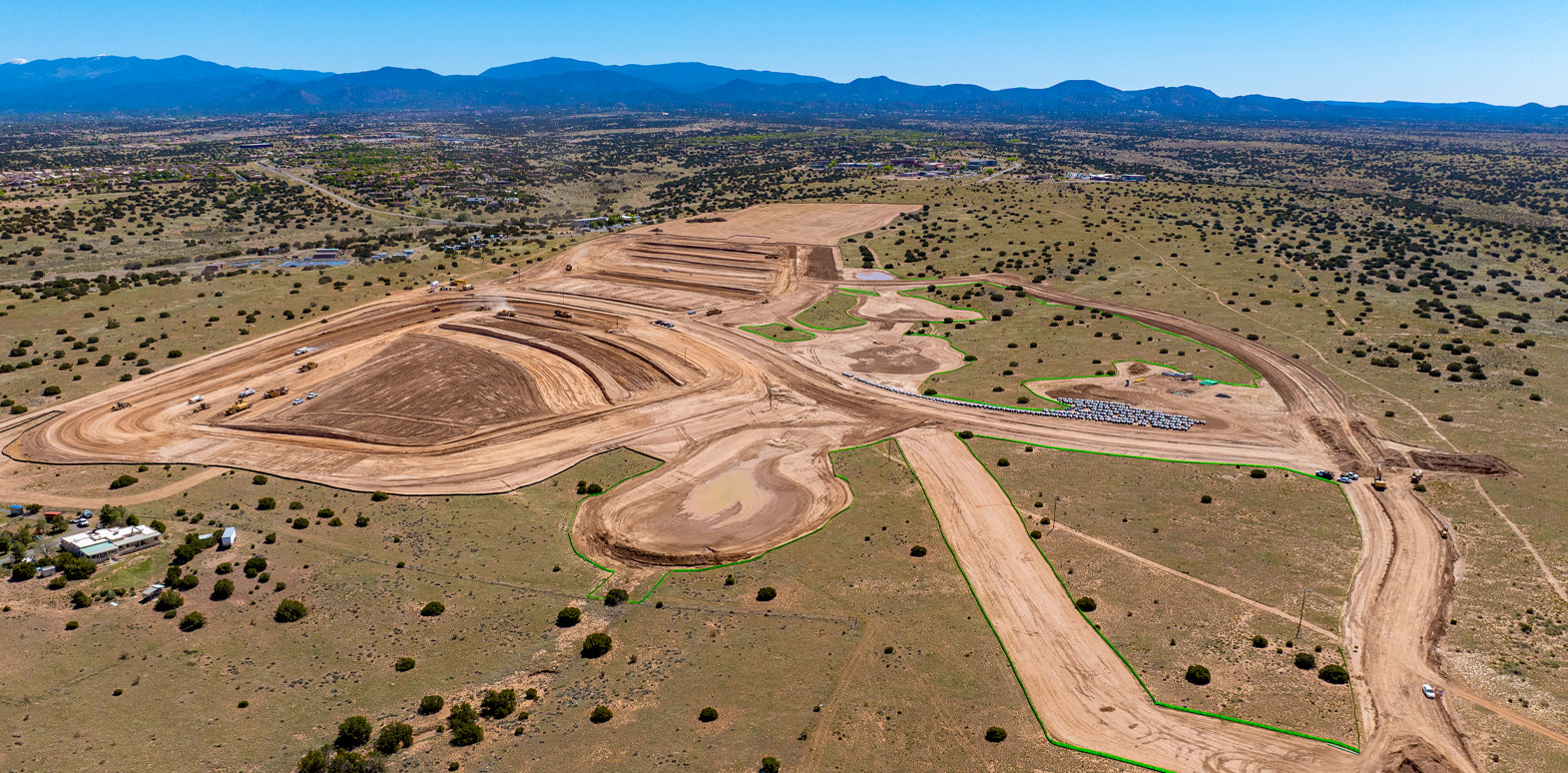
A real estate sponsor company should also have experience moving projects through the approvals and infrastructure work required before vertical construction. Our experience with The Trails demonstrates the importance of this capability. The 105-acre northwest Albuquerque master plan included 245 single-family lots along with multifamily and commercial tracts. We oversaw planning, entitlement, monetization, and full development while coordinating the team responsible for bringing the lots to market. The project also involved completion of a 2-million-gallon water reservoir and transmission line.
Consider Market and Product Experience
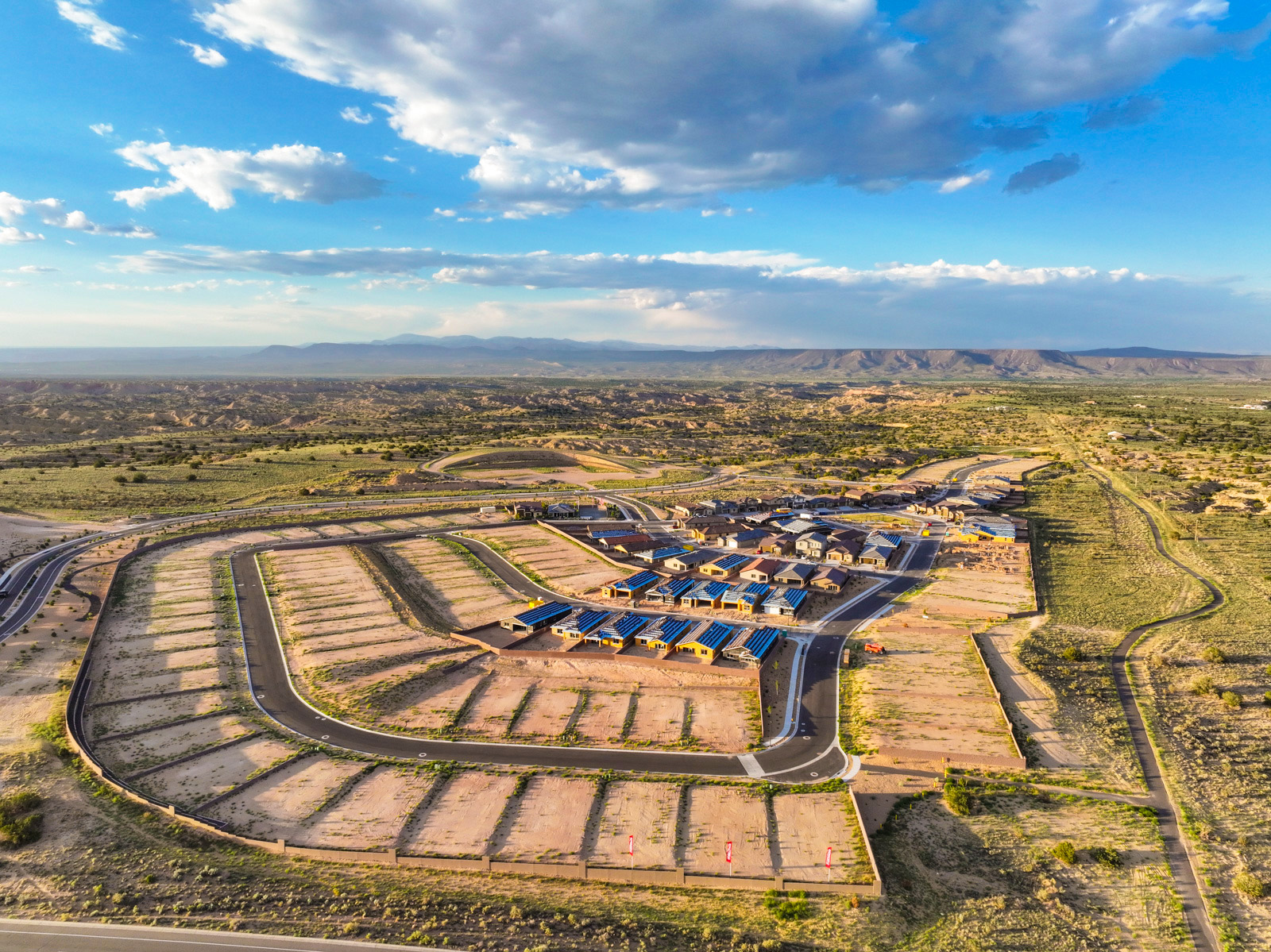
The right real estate sponsor company should understand how a development’s location and intended product affect its strategy. Our portfolio includes different development types and markets. Aspire is an 83-acre Albuquerque community with 506 lots, while Esencia in Santa Fe encompasses 277 acres and is zoned and entitled for 710 dwelling units, including 200 multifamily units. The Charlie ABQ represents another development model, with 344 build-to-rent units planned across 37 acres in northwest Albuquerque.
Review Project Management Capabilities
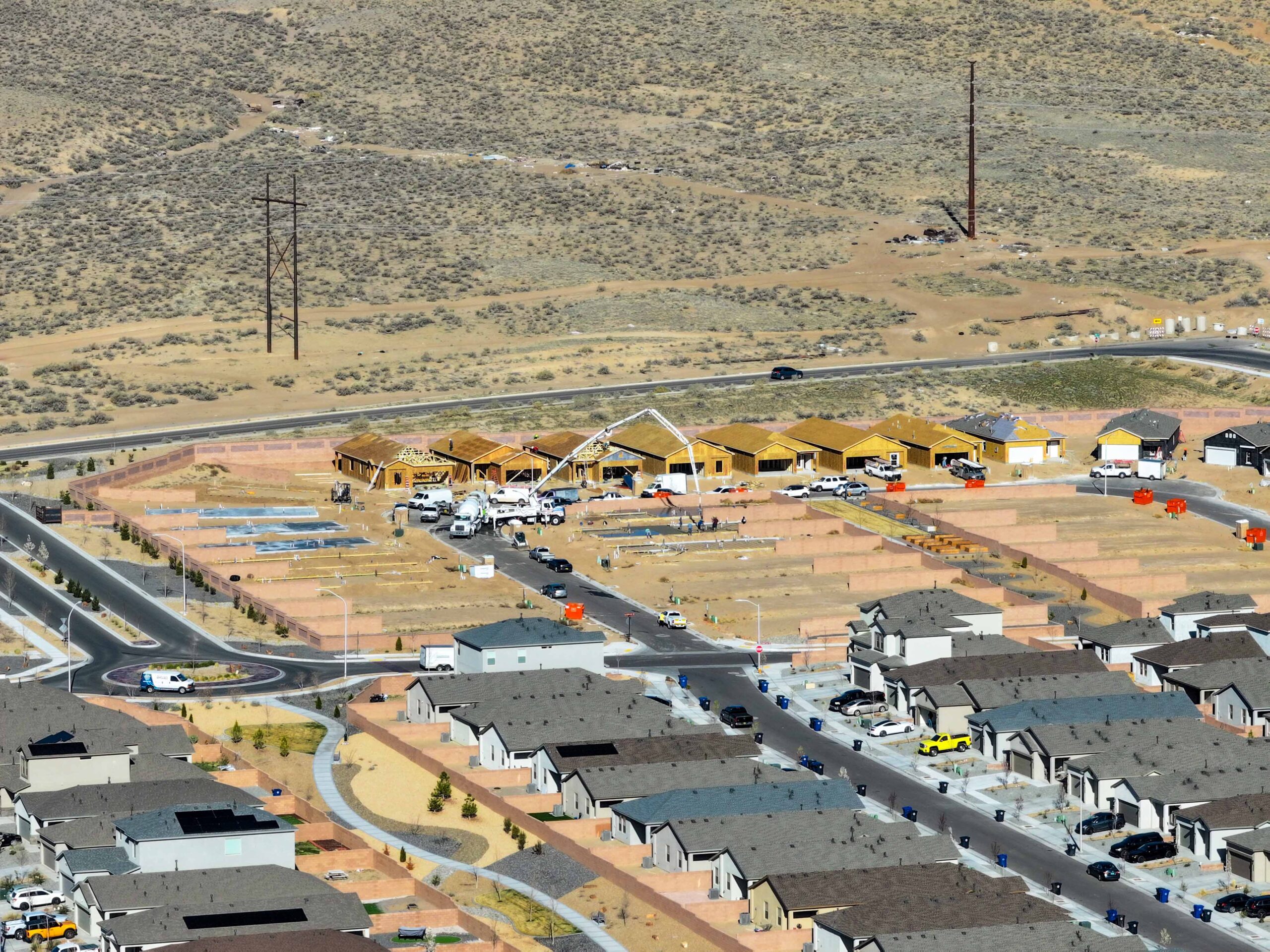
Development requires coordination among property owners, investors, builders, engineers, attorneys, contractors, municipalities, and other consultants. A real estate sponsor company should have the ability to manage these relationships while maintaining the project’s larger objectives. At The Charlie ABQ, we assisted with site selection, represented the buyer, helped secure entitlements, assisted with pro-forma preparation, and served as construction manager for land development activities and Owner’s Representative during vertical construction.
Choose a Partner With a Complete Perspective
Ultimately, choosing a real estate sponsor company means finding a partner that can connect individual development decisions to the project’s overall strategy. We bring experience in land acquisition, entitlement, development, construction management, consulting, and equity partnerships. Our work has given us firsthand experience with the financial risk, coordination, planning, and problem-solving required to transform land into functioning communities. For landowners, investors, builders, and developers, we believe that comprehensive experience provides a stronger foundation for making informed development decisions.